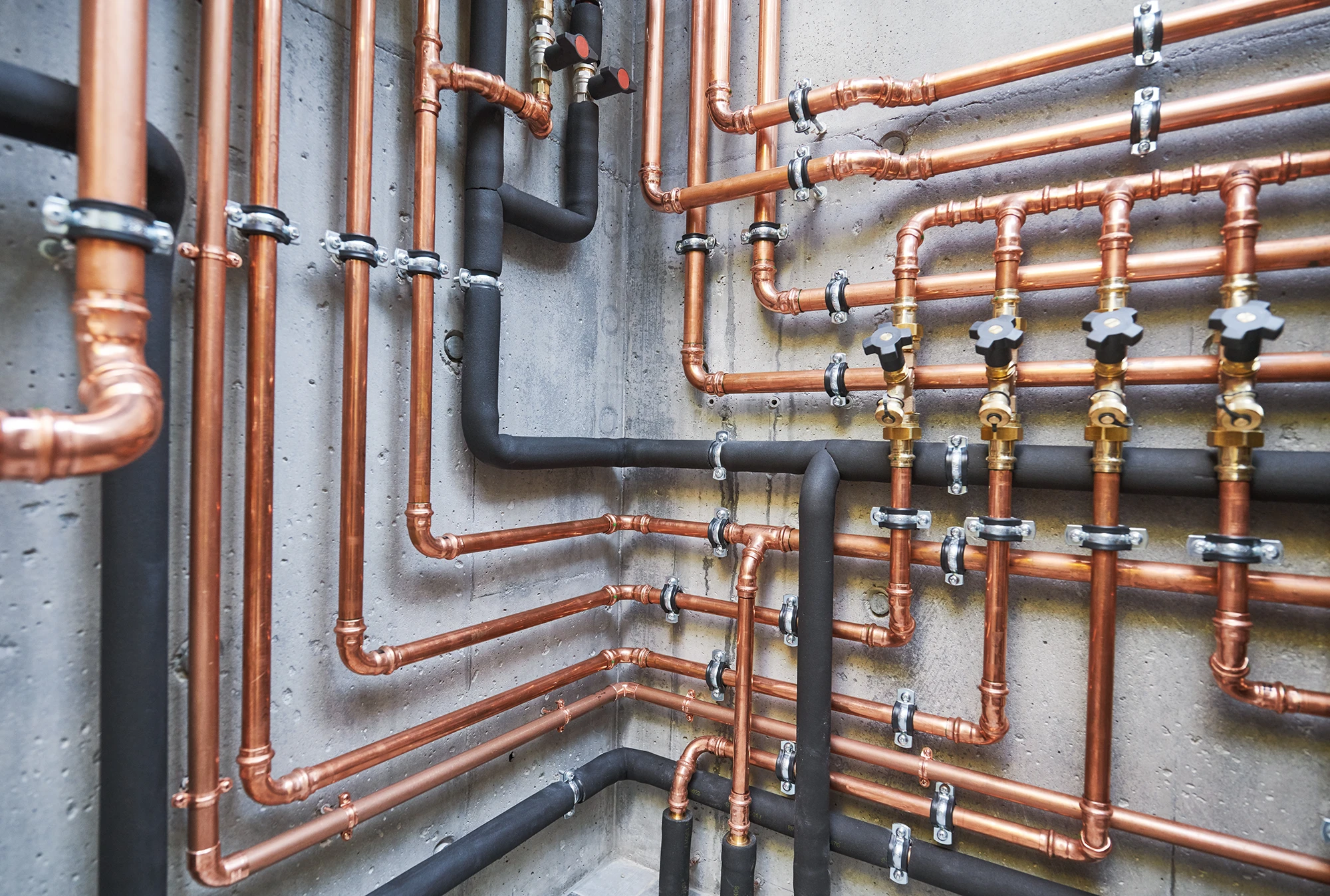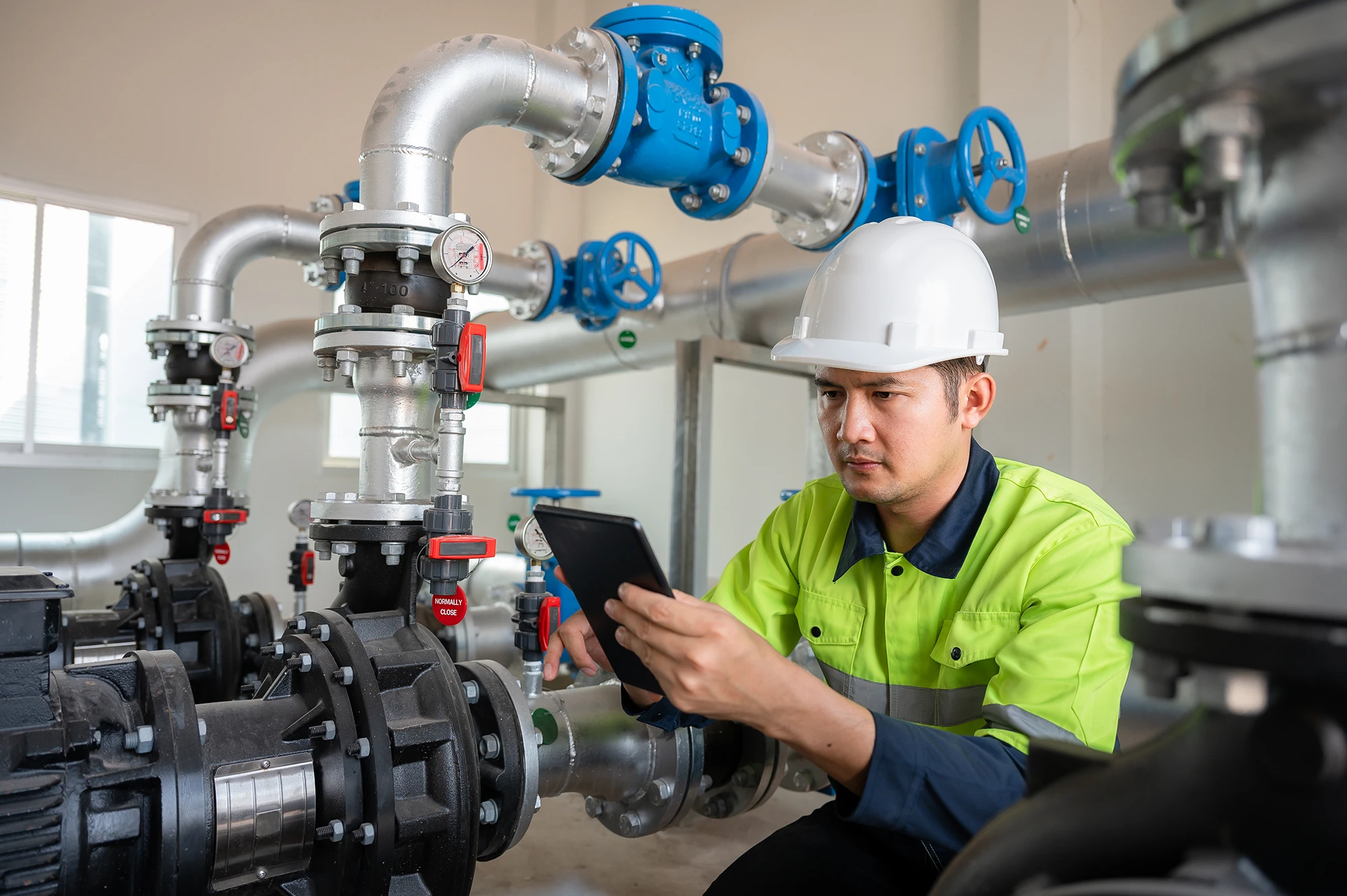

In the world of heating and cooling systems, a “closed system” refers to a circulatory system where the same water is continuously reused, rather than being discharged and replaced.
This concept is crucial in heating and chilled water systems, where maintaining water quality is paramount for efficiency and longevity.
This guide will explore the importance of closed loop water treatment, focusing on both hot and chilled water systems, and how expert management can prevent costly issues.
Understanding the importance of closed loop water treatment
The design of closed loop systems, while efficient and money-saving, also creates an environment in which water quality can rapidly degrade. The continuous recirculation of water, without proper treatment, leads to a concentration of contaminants and a heightened risk of detrimental processes. Here are some examples:
Corrosion
One of the primary concerns is corrosion, a chemical process by which metals react with their surrounding environment, leading to their degradation. Within closed loop systems, factors such as pH imbalances can significantly accelerate this process.
The underlying chemical reactions are rather complicated, involving the transfer of electrons between substances. For instance, the oxidation of iron involves iron losing electrons and combining with oxygen and water to form iron hydroxide, which we know as rust.
The formation of rust weakens system components, ultimately compromising the integrity of the equipment.
Scale formation
Another critical issue is scale formation. Minerals like calcium and magnesium, naturally present in water, can precipitate and form scale deposits on heat transfer surfaces. This precipitation is largely driven by changes in temperature and pH levels.
As water is heated, the solubility of these minerals decreases, leading to their crystallisation. Essentially, the minerals in the water combine to form a solid, like calcium carbonate, which sticks to surfaces.
This scale acts as an insulator, drastically reducing heat transfer efficiency and potentially causing blockages within pipes, leading to inefficiencies.
Biological fouling
Furthermore, even within the confines of a closed system, biological fouling remains a significant concern. Bacteria and algae can thrive, forming biofilms, which are layers of microorganisms, on system surfaces.
These biofilms not only reduce heat transfer efficiency but also create an environment conducive to corrosion under deposits, exacerbating metal degradation. This is particularly prevalent in systems with stagnant water or where biocide application is inconsistent or inadequate.
Avoiding costly consequences
The consequences of these untreated issues are substantial and far-reaching. Reduced system efficiency directly translates to higher energy consumption, leading to increased costs for businesses. Inefficient heat transfer further amplifies these costs.
Moreover, the progressive damage to equipment can create the need for costly repairs or even outright replacements. Ultimately, system downtime disrupts operations, causing further financial losses and setbacks.
Therefore, preventative maintenance is of paramount importance. Regular closed loop water treatment, monitoring, and consistent testing are essential to mitigate these issues, ensuring the longevity and efficiency of the closed loop system and ultimately saving both time and money.
 Hot water and chilled water systems both present unique water treatment challenges for businesses.
Heating and chilled water systems water treatment
Heating systems
Heating systems, while crucial for many industrial and commercial applications, present unique water treatment challenges due to their operating temperatures. The elevated temperatures significantly accelerate both corrosion and scale formation.
Corrosion rates increase because the kinetic energy of the reacting molecules is higher, leading to faster chemical reactions between metals and water.
Similarly, the solubility of minerals like calcium and magnesium decreases with increasing temperature, causing them to precipitate out of the water and form scale deposits on heat transfer surfaces.
Chilled water systems
Chilled water systems, while operating at lower temperatures, also face distinct water treatment challenges. Although the lower temperatures slow down some chemical reactions, biological fouling can still occur. Certain types of bacteria and algae can adapt to colder environments.
Dissolved oxygen, even at lower temperatures, can still contribute to corrosion. Additionally, many chilled water systems use glycol solutions for freeze protection, which can degrade over time, becoming acidic and corrosive. To address these challenges, the following closed loop water treatment methods are crucial:
- Glycol testing and maintenance
Glycol solutions must be regularly tested for concentration and pH. Degraded glycol can become acidic and corrosive, so maintaining the proper concentration and pH is essential for system protection. - Freeze protection and glycol concentration monitoring
Ensuring the proper glycol concentration is vital for freeze protection. Regular monitoring is necessary to prevent freezing and damage to the system.
Common treatment methods for both heating and chilled water systems
Many closed loop water treatment methods are essential for both heating and chilled water systems, ensuring optimal performance and longevity:
- Corrosion inhibitors
These chemicals form a protective barrier on metal surfaces, preventing direct contact with corrosive agents in the water. They are crucial for extending the lifespan of pipes, heat exchangers and other system components. - Scale inhibitors
These chemicals interfere with the crystallisation process of scale-forming minerals, keeping them dissolved in the water. This prevents the formation of hard, insulating scale deposits, maintaining efficient heat transfer. - Biocides
These are essential for controlling bacterial growth. Effective biocides kill or inhibit the growth of microorganisms, ensuring that the water is safe and free from harmful bacteria. - pH control
Maintaining the proper pH balance is crucial for preventing corrosion and scale formation. pH adjustments may be necessary to keep the water within the optimal range. - Regular testing
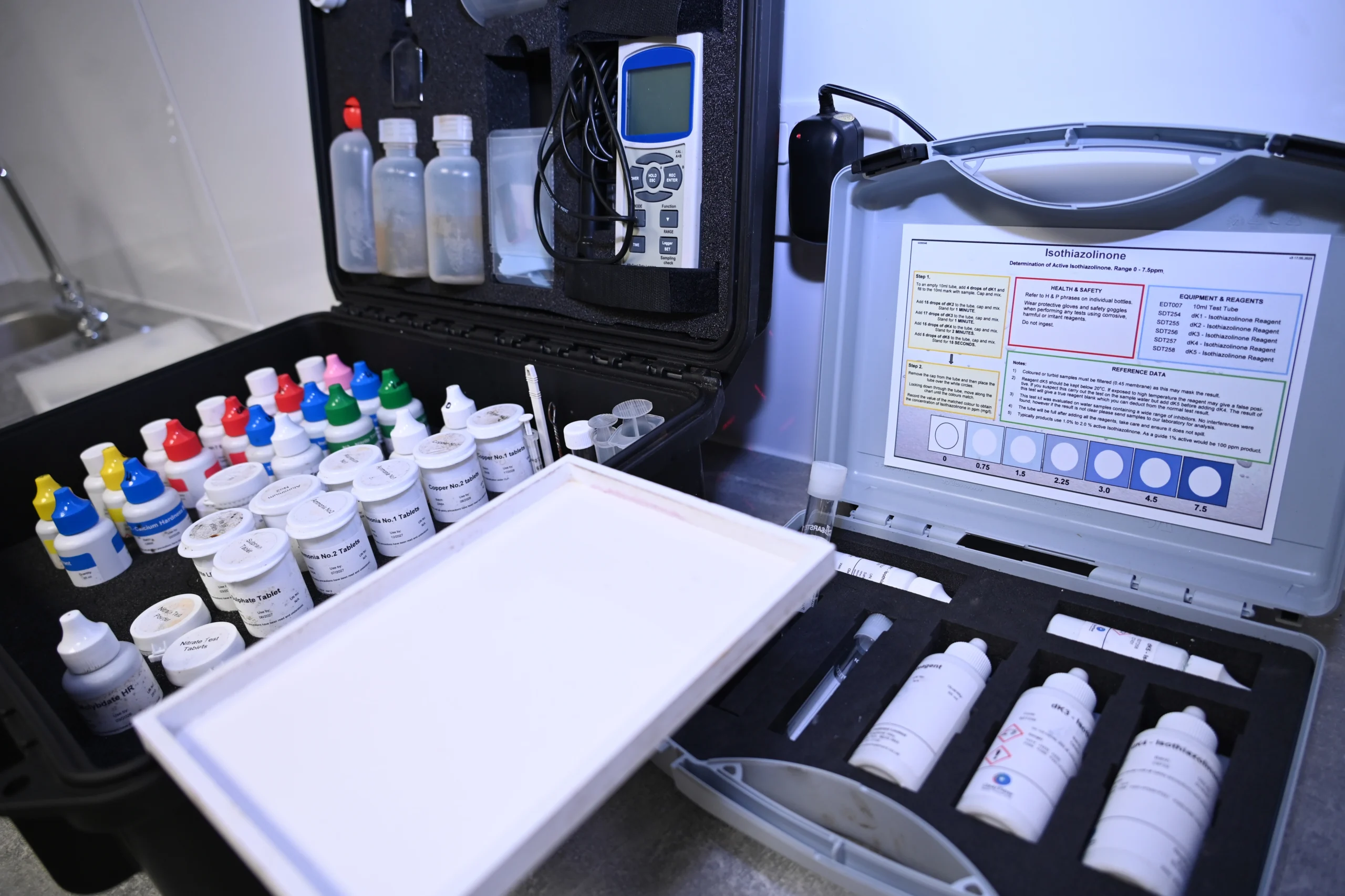
Consistent water quality testing is vital for monitoring the effectiveness of treatment methods. This includes testing for pH, alkalinity, hardness, and biocide levels, allowing for timely adjustments to the treatment regime.
“The continuous recirculation of water, without proper treatment, leads to a concentration of contaminants and a heightened risk of detrimental processes.”
How ClearFlow Water Treatment can help
We offer complete water treatment solutions designed to keep your closed loop heating and chilled water systems operating effectively, efficiently and safely.
Understanding that water quality is paramount, we provide services from the pre-commissioning stage through to the renovation of existing systems, as well as cost-effective ongoing monitoring.
Our services include chemical cleaning and flushing, acid de-scaling, glycol and biocide dosing, filtration, water softening and the installation of dosing and control equipment.
All our work is carried out in accordance with the latest BSRIA guidelines (BG29 and BG50) and BS8552, ensuring that industry best practices are consistently applied. With ClearFlow, you gain a partner committed to delivering compliant and effective water treatment solutions, providing you with complete peace of mind.
For more information on our heating and chilled water systems services, please visit our dedicated service page. Trust our specialist team to maintain optimal water quality and the longevity of your closed loop systems. Contact us today to find out how we can improve your water system’s efficiency and safety.